Start here
First trip to Japan: the right planning order
Choose flights, bases, transport, reservations, and daily pace without building the trip backward.
Read the plannerStart with the expensive mistakes: will the hotel room fit your family, what happens to the bags, and how the airport arrival actually works—then use calculators for rail, cost, and logistics.
Start with the decision that is most likely to cost time, money, or energy if it goes wrong.
A cheaper room can cost more after long transfers. A rail pass can lose money on the wrong route. A ryokan dinner can change your arrival plan. The toolkit puts those tradeoffs in one place before you book.
Enter your travel dates and pick Ghibli Museum, Pokémon Café, Nintendo Museum, Shibuya Sky, Universal Studios Japan, and other high-demand experiences. Get a chronological booking plan with Japan Standard Time release times and official links.
More booking rules: Ghibli Park · Nintendo Museum · Pokémon Café Tokyo · Pokémon Café Osaka
Compare square meters, bed width, luggage, one room versus two rooms, and apartment-style stays. Built for families of four, five, and larger groups.
Check Shinkansen dimension rules, test all suitcase orientations against a real coin locker, and work backward to a safe forwarding handoff day.
Compare Haneda, Narita, Kansai, and New Chitose arrival risk with transfer costs and airport-hotel fallbacks before the first night goes wrong.
Start with your trip shape, then check budgets, airport transfers, rail, luggage, connectivity, family-hotel room fit, and one-room versus two-room cost.
Use these guides when your route, hotel area, luggage plan, or ryokan choice needs more context than a calculator can provide.
Choose flights, bases, transport, reservations, and daily pace without building the trip backward.
Read the plannerKnow when to send bags, what to keep, delivery timing, hotel handoffs, and shinkansen baggage rules.
Plan your bagsCompare bath wording, dinner times, child categories, shuttles, and cancellation terms.
Read the ryokan guideA traveler can type a simple plan like “4 days Tokyo, fly into Haneda” and get a practical first draft: hotel areas, transit, rough pricing, and which guide to read next.
Results use transparent planning estimates rather than live hotel inventory. Verify current room rates, occupancy rules, transport schedules, and booking terms before reserving.
Skip unfinished browse layers. Use decision guides that answer a booking question with a next calculator or checklist.
Use these as practical first drafts, then adjust with the calculators and verify current train schedules, weather, hotel rules, and attraction closures before booking.
 5 nights · winter
Best fit: first Hokkaido trip, snow festival timing, couples, and travelers who do not want winter driving.
Hokkaido · 安 崔士 · Unsplash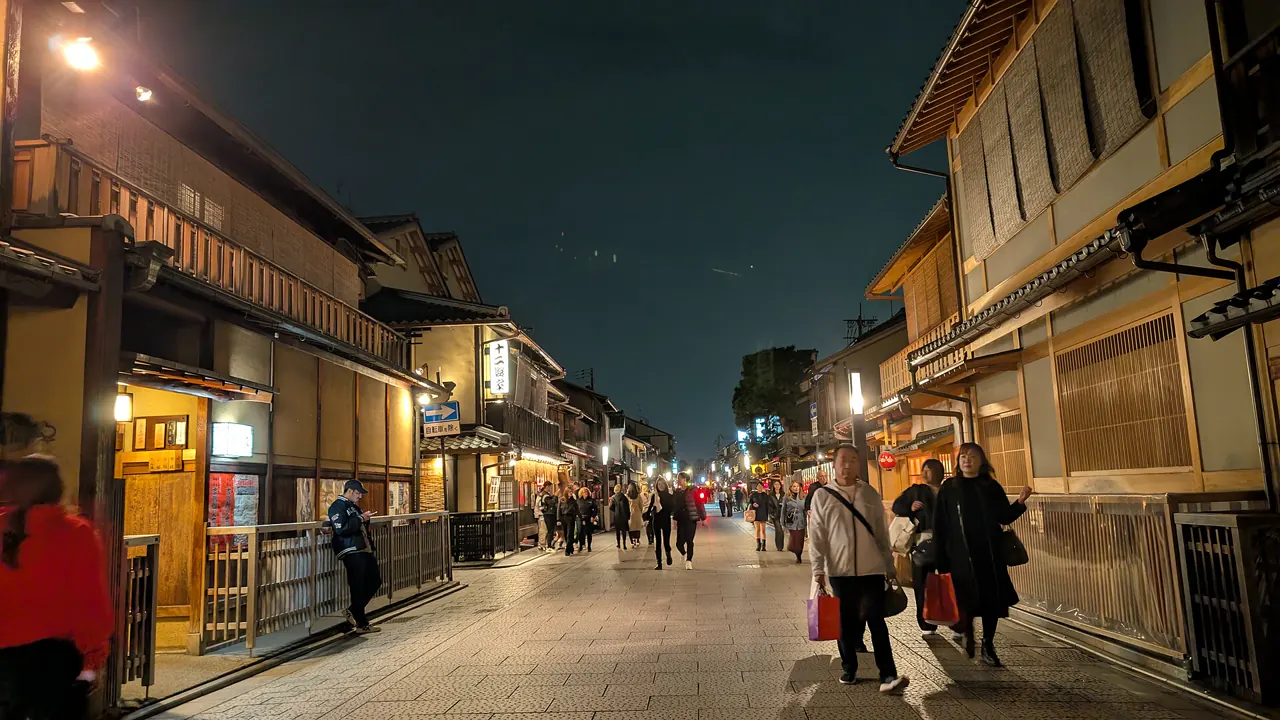 7 nights · classic first trip
Best fit: first-time visitors balancing famous sights, food access, and transfer simplicity.
Gion, Kyoto · Unsplash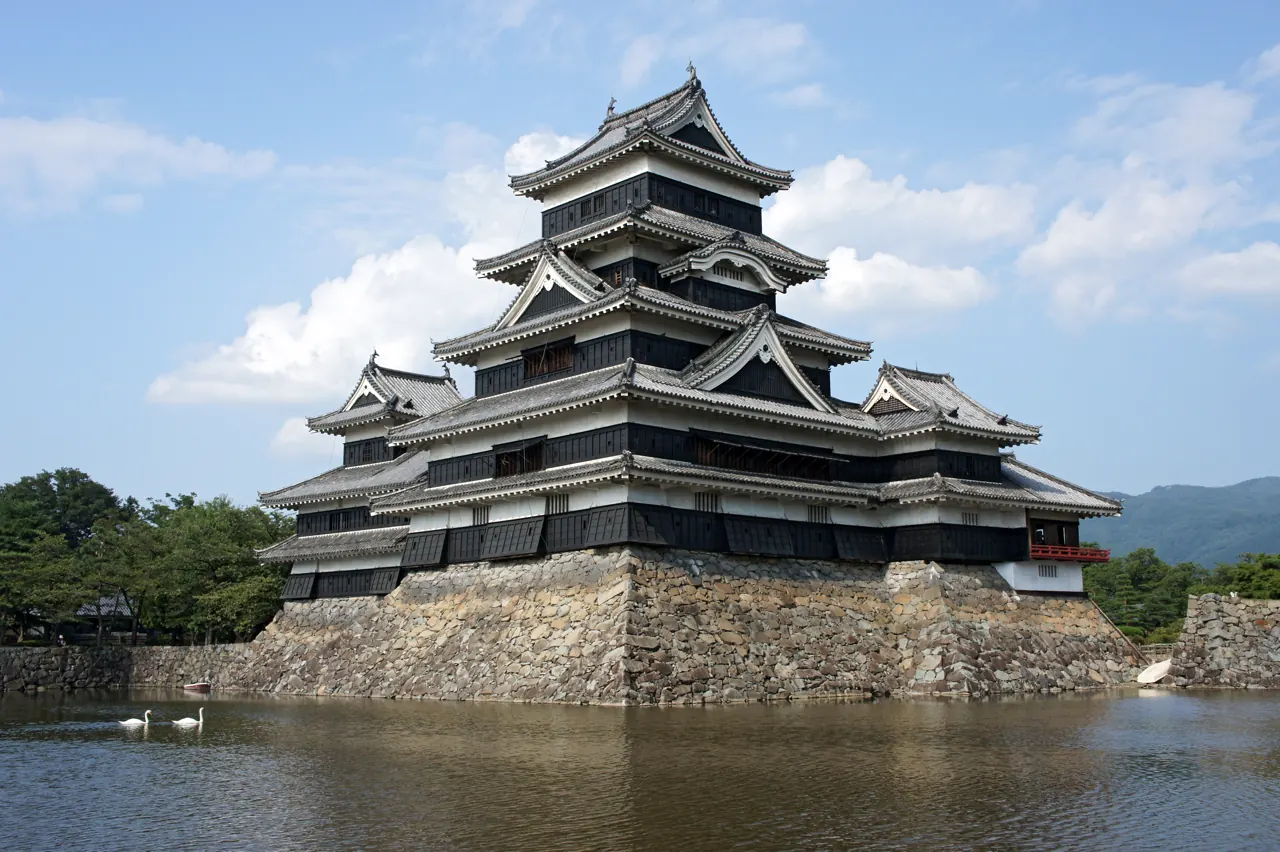 4–6 nights · slower route
Best fit: repeat visitors, slower-paced couples, and travelers who want a Japan route beyond Tokyo/Kyoto.
Matsumoto Castle · Rogério Toledo · UnsplashJapan Answers uses planning estimates and representative destination photos, not live hotel inventory or property photography. External booking or service links are labeled when compensation applies. No compensation is currently attached to hotel or eSIM exits until partner tracking is activated. Recommendations should be based on fit, access, bath type, room type, cancellation terms, and current traveler needs, not commission rate.
Check current rail, airport, hotel, luggage-service, and booking rules with the relevant official or provider source before reserving.
Costs are transparent planning models. See the methodology for assumptions, and do not treat them as live prices or availability.
If a rule, price assumption, or route detail has changed, use contact / corrections so the planning surface can be reviewed.