Where to Stay in Tokyo for a First Trip
Compare Ueno, Asakusa, Tokyo Station, Ginza, Shinjuku, and Shibuya by airport access, daily routes, station friction, and room value.
| Base | Best for | Watch for |
|---|---|---|
| Ueno / Asakusa | Narita access, value, older-Tokyo atmosphere | Longer rides to west-Tokyo plans |
| Tokyo Station / Ginza | Shinkansen, polished hotels, central transfers | Higher room prices; quieter late evenings in some blocks |
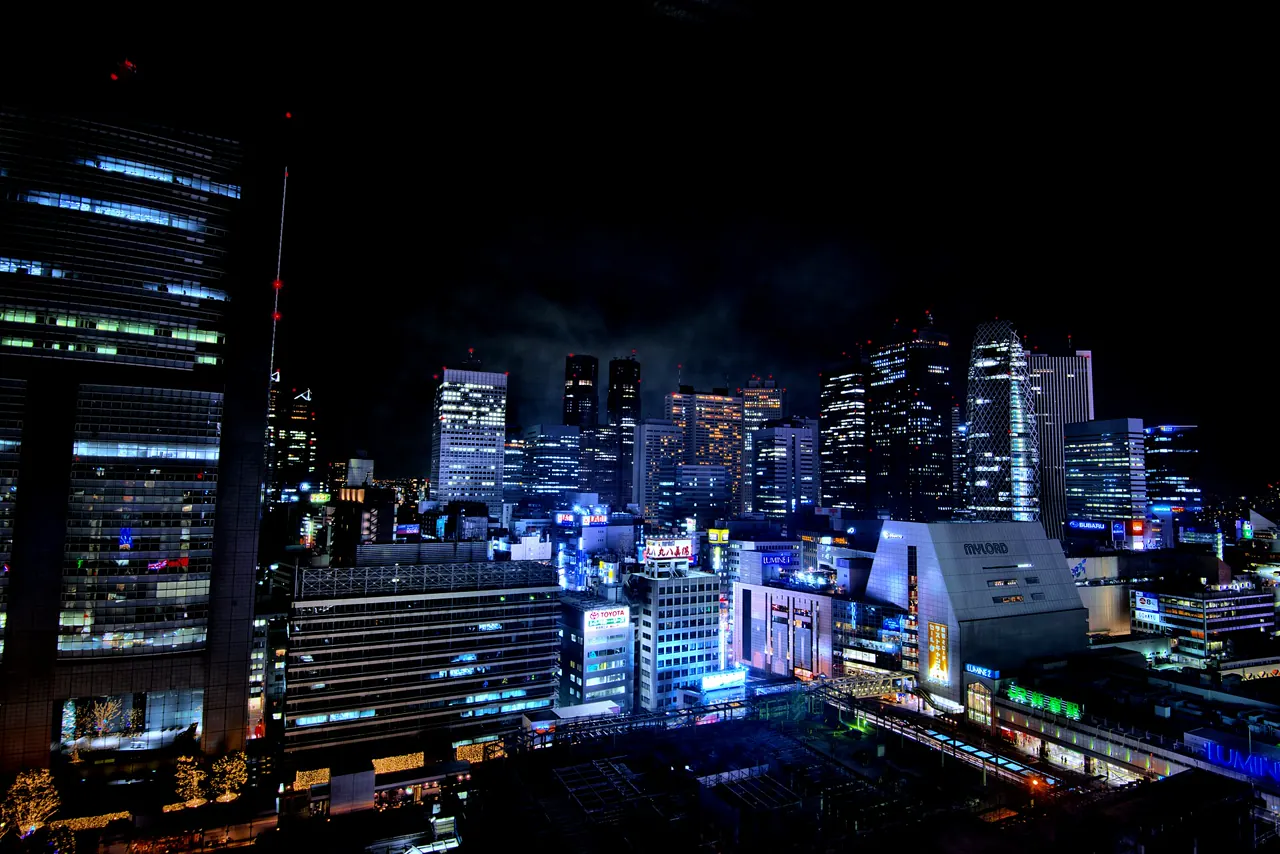
| Shinjuku | West Tokyo, nightlife, day trips | Huge station; choose the right side and exit |
| Shibuya / Ebisu | Food, shopping, modern Tokyo | Busy streets and expensive compact rooms |
| Asakusa | Traditional feel, value, early mornings | Not ideal for every cross-city itinerary |
Choose a Tokyo base with route math
1. Pin five anchors, not fifty
List the airport route, one or two must-see areas, the intercity departure station, and the final-night need. A base near the center of those trips usually beats a hotel near one attraction.
2. Check the real station walk
A hotel advertised as “five minutes from Shinjuku” may be five minutes from an entrance that is still far from the platform you need. Read the closest exit and line, and account for station interiors.
3. Count daily transfers
A direct 25-minute ride can be easier than a 16-minute route with two transfers. Families, strollers, luggage, and late nights increase the cost of transfers.
4. Compare room reality
Check bed width, floor space, bathroom setup, child occupancy, laundry, and whether suitcases can open. Tokyo room labels do not guarantee the dimensions travelers expect elsewhere.
5. Keep the airport shape honest
Ueno/Asakusa can work well for Narita. Tokyo/Ginza and Shinagawa can simplify some Haneda and shinkansen combinations. Shinjuku may fit west-side plans but should not be chosen by fame alone.
Mistakes to avoid
- Choosing only by neighborhood fame.
- Ignoring which side of a giant station the hotel sits on.
- Paying less for a room that adds an hour of daily commuting.
- Assuming every child fits existing bedding under the booked occupancy.
- Moving hotels inside Tokyo to save a few minutes.
Get data working before the first Tokyo transfer
Hotel Wi‑Fi can cover a map check, but it is a backup, not the plan when a Tokyo family splits. One adult often stays with kids for a nap or dinner while the other handles luggage, a ticket machine, or the walk back from the station. Per-phone data usually beats one shared pocket Wi‑Fi brick in that pattern.
Japan eSIM vs pocket Wi‑Fi Compare eSIM and pocket WiFi costs
Connectivity comparison
Swipe sideways on a phone. Cells use only sentences on this page or named official sources below; otherwise Unknown.
| Option | On this page | Source |
|---|---|---|
| Hotel Wi‑Fi | Can cover a map check; backup, not the plan when a Tokyo family splits | On-page guide; Tokyo Metro |
| Per-phone data | Usually beats one shared pocket Wi‑Fi brick when one adult stays with kids for a nap or dinner while the other handles luggage, a ticket machine, or the walk back from the station | On-page guide; JNTO trip planning |
| Pocket Wi‑Fi (shared) | One shared pocket Wi‑Fi brick in that split pattern | On-page guide |
Compare the tradeoffs
Official starting points
Use current operator maps and schedules. Hotel walking times and station-exit claims should be checked on the actual property page and map.