Private onsen in Kinosaki
Kinosaki's defining experience is walking between public bathhouses. A private bath can make the stay more comfortable, but it changes what you should prioritize in the ryokan.
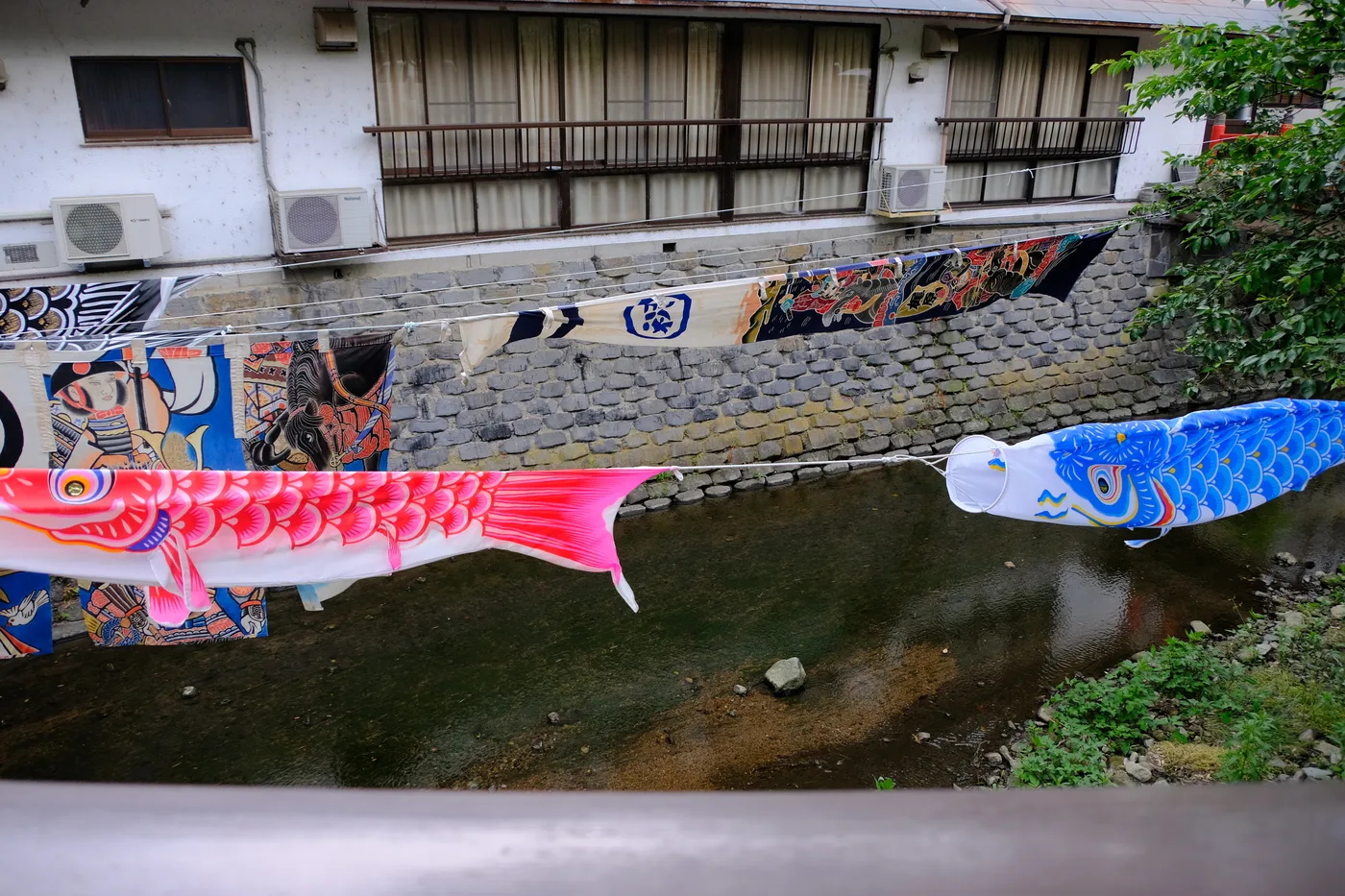
Choose Kinosaki for a walkable onsen-town experience, not only an in-room bath. If privacy is essential, verify an in-room or reservable bath; otherwise prioritize ryokan location, public-bath access, meal quality, and enough time for an evening and morning stroll.
What “private onsen” means in Kinosaki
In Kinosaki, “private onsen” can mean an in-room bath, a reservable family bath at the ryokan, or bathing with your own group away from the public soto-yu circuit. The town’s public bathhouses are the main draw. If you need a guaranteed private soak, confirm the bath type in the listing before you book.
Compare stay cost with the ryokan vs hotel calculator, then read how to book a ryokan. If you still need a Western-style room after Kinosaki, use Japan hotel bed sizes. Arrival data is covered in eSIM vs pocket Wi‑Fi.
Decide how you will bathe
| Plan | Prioritize |
|---|---|
| Public bathhouse circuit | Central location, included pass rules, yukata comfort |
| Reservable family bath | Reservation window, fee, size and accessibility |
| In-room private bath | Water source, room category and price premium |
| Mixed approach | One private session plus selected public baths |
Protect the town experience
Arrive early enough to check in, understand bath rules, eat dinner, and walk without rushing. One late arrival can remove the main reason to stay overnight.
Family and comfort checks
- Children's meal and futon policies.
- Stairs inside traditional buildings.
- Cold-weather walking between baths.
- Tattoo rules for public facilities.
- Whether private bathing is guaranteed or first-come.
Route fit
Kinosaki works best as a deliberate overnight in a Kansai or San'in itinerary. Price the rail time and onward route before choosing it as a quick side trip.
Sourced fact table
Swipe sideways on a phone. Cells use only sentences on this page or named official sources below; otherwise Unknown.
| Family or comfort check | On this page | Source |
|---|---|---|
| Children's meals | Confirm child meal plans on the property page | On-page guide; Visit Kinosaki official guide |
| Futon bedding | Confirm futon policies for children | On-page guide; Japan Ryokan and Hotel Association |
| Stairs | Traditional buildings may have stairs | On-page guide |
| Cold-weather walking | Walking between baths in cold weather | On-page guide; Visit Kinosaki official guide |
| Tattoo rules (public baths) | Policies differ by facility; rules may differ between soto-yu and private baths | On-page guide; Visit Kinosaki official guide |
| Private bathing guarantee | Unknown until property confirms whether private bathing is guaranteed or first-come | On-page guide |
| Public bathhouse count | Seven public bathhouses (soto-yu) in town | On-page guide; Visit Kinosaki official guide |
Frequently asked questions
What does private onsen mean at a Kinosaki ryokan?
It can mean an open-air or indoor bath attached to your guest room, a family bath you reserve for a time slot, or bathing with only your group away from the public soto-yu circuit. Kinosaki's main experience is still walking between the town's seven public bathhouses (soto-yu). Confirm the bath type in the ryokan listing before booking — Visit Kinosaki and the property describe each category.
How is kashikiri-buro different from an in-room private onsen?
Kashikiri-buro is a reservable private bath, often shared among ryokan guests by reservation, not necessarily attached to your room. An in-room private onsen is part of your room category. Both offer privacy; kashikiri may have booking windows, fees, or time limits the ryokan sets. Check the property's rules rather than assuming either is unlimited.
Can we use Kinosaki's public bathhouses if our ryokan has a private bath?
Yes. Many stays include or sell access to the town's public bathhouses, and the yukata stroll between them is central to a Kinosaki visit. A private bath complements rather than replaces the town circuit for most travelers. Confirm whether a multi-bath pass is included with your plan on the ryokan or Visit Kinosaki booking page.
Are tattoos allowed in Kinosaki onsen?
Tattoo policies differ by facility. Some bathhouses and ryokan accept small or covered tattoos; others restrict them. Rules can change and may differ between public soto-yu and private or kashikiri baths. Check Visit Kinosaki and each property's current policy before booking — do not assume one rule applies everywhere.
Is a Kinosaki ryokan stay suitable for families with children?
Families stay in Kinosaki, but confirm child meal plans, futon bedding, stairs in traditional buildings, and bathing rules for mixed-gender or age limits at public baths. Private or kashikiri baths can help when public-bath rules feel restrictive. Read the ryokan's family policy and our booking with children guide alongside Japan hotel bed sizes if you add a Western-style hotel night.
How does a Kinosaki ryokan stay differ from a Western hotel?
Ryokan stays typically include dinner and breakfast, futon or hybrid bedding, yukata, and communal bathing culture. Check-in is often earlier to allow time for bathing and meals. Hotels offer more Western room layouts and flexible meal options. For ryokan booking steps, see how to book a ryokan; for arrival data, see eSIM vs pocket Wi-Fi.
Put your numbers into the decision
Use the matching calculator as a planning estimate, then verify current prices, schedules, coverage, and property rules with the official provider.
Compare Kinosaki stay valueExternal booking or service links are labeled when compensation applies. Recommendations stay based on traveler fit and current terms, not commission.
Official sources to check
Last editorial review: 2026-08-25. Time-sensitive prices, schedules, eligibility, and property policies should be checked again before purchase.